How to Read a Shampoo Label
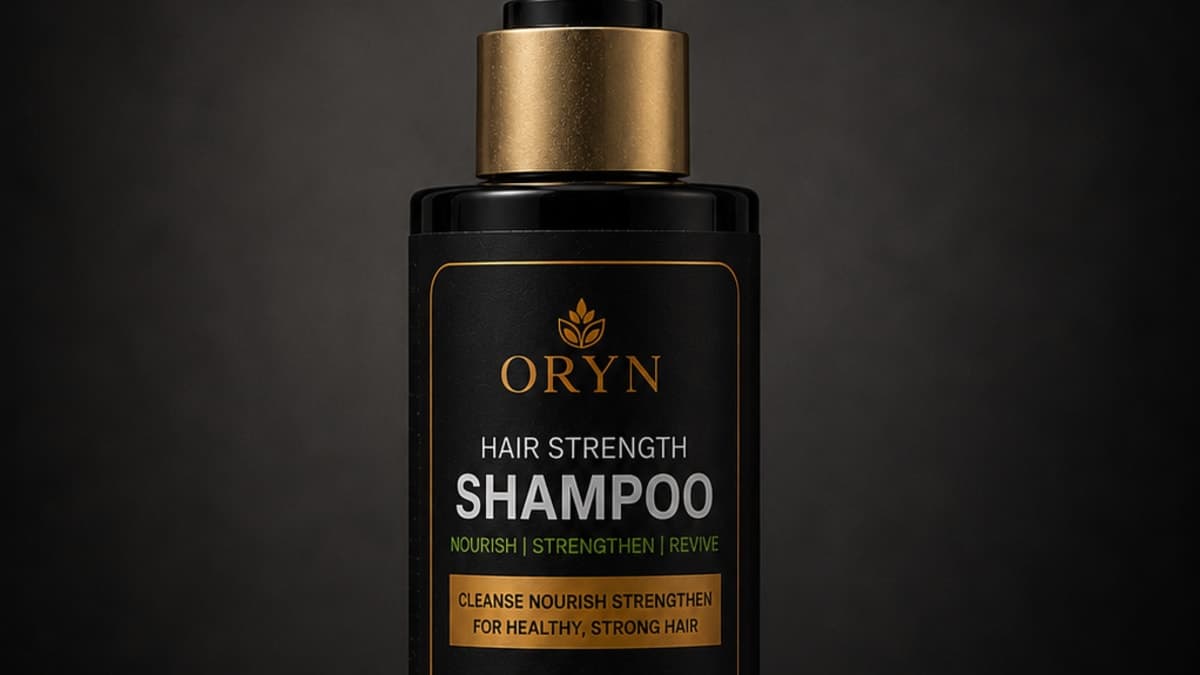
The front of a shampoo bottle is marketing; the back is a contract. Every shampoo sold must list its ingredients in a standard format called INCI — the same naming system used worldwide — and once you can skim that list, you stop paying for adjectives and start paying for formulation. Five minutes of label literacy is worth more than any advertisement, and none of it requires panic about “chemicals”: water is a chemical, and so is coconut oil.
The order tells the story
Ingredients are listed in descending order of quantity down to the one-percent mark, after which they can appear in any order. In practice the first five or six names make up the bulk of the bottle — and the first is almost always water (aqua). So read the top of the list, not the bottom. That rare Himalayan herb featured on the front label but listed after the fragrance? It is present in trace amounts. It may still smell lovely; it is just not what you are washing your hair with.
Know your cleansers
- Sodium lauryl sulfate (SLS) and sodium laureth sulfate (SLES) — strong, effective, big-lather cleansers. Well suited to oily scalps; can feel drying on very dry or colour-treated hair.
- Cocamidopropyl betaine — a milder, coconut-derived cleanser, often paired with the above to soften the formula.
- Sodium cocoyl isethionate, glucosides (coco-, decyl-, lauryl-) — gentler cleansers common in mild and “sulphate-free” formulas; less lather, which does not mean less cleaning.
- The honest take on “sulphate-free” — it simply means a different cleanser was used. That can suit a dry or sensitive scalp, but it is a matter of fit, not of one being safe and the other dangerous.
Silicones and conditioning agents
Names ending in “-cone” or “-siloxane” — dimethicone is the most common — coat the hair shaft to add slip and shine. They are neither miracle nor menace: on thick or frizzy hair they smooth beautifully; on fine hair they can build up and weigh things down, in which case a lighter formula or an occasional clarifying wash resets the slate. Ingredients like glycerin and panthenol, meanwhile, help hair and scalp hold on to moisture and are welcome in almost any formula.
Claims, decoded calmly
- “Natural” and “herbal” — largely unregulated words on a cosmetic label; the INCI list is the only place to verify them.
- “Free from X” — tells you what is absent, not whether what is present suits you. Read it as information, not as a safety badge.
- “Dermatologically tested” — means a test was conducted; it does not say what the result was or on whom.
- “Fragrance” or “parfum” — one word that can cover many components. Irrelevant for most people, worth minimising if your scalp is sensitive.
The Indian water factor
Much of urban India washes hair in hard water, which lathers poorly and can leave mineral deposits that make hair feel rough and dull no matter how premium the shampoo. Before blaming the bottle, factor in the tap: a mild daily shampoo used a little more generously, plus an occasional clarifying wash, handles hard water better than chasing ever-stronger formulas. No shampoo needs to fix your life — it needs to clean your scalp gently and rinse out completely.
The Future Grow is a curated house of premium everyday essentials — every shampoo and soap on our shelf small-batch, quality-checked and described honestly. Read the top five ingredients, match the cleanser to your scalp, and you will choose well from any shelf.